


Mobile Betting Technology: Convenience, Data Security, and User ProtectionMobile Betting Technology: Convenience, Data Security, and User Protection
Smartphones have made digital services accessible throughout the day, including sports information, live scores, payment tools, and online betting platforms. Mobile technology can simplify access to information, but it also introduces questions about privacy, security, and the speed of financial decisions. Understanding these issues helps users evaluate digital services more carefully.
How Mobile Platforms Work
Mobile betting services may combine account management, event listings, odds displays, payment processing, and notifications in a single interface. Some provide live updates that change as an event progresses. These features can make information easier to access, but availability and accuracy depend on the provider.
Live odds can change rapidly. A displayed price may no longer be available when a transaction is submitted, and technical delays can affect the information users see. Convenience should not be confused with certainty or financial advantage.
Protecting Personal Data
Users should download applications only from trusted sources and verify that a service is legitimate. Strong passwords, multifactor authentication, device updates, and secure network connections can reduce some account-security risks.
Review the privacy policy before sharing identity documents or financial information. Avoid sending passwords or verification codes to people claiming to represent customer support, and be cautious of links received through unsolicited messages.
Notifications and Spending Behavior
Push notifications can help users follow sporting events, but repeated alerts about promotions or live opportunities may encourage impulsive decisions. Disabling unnecessary notifications and setting app-use limits can help maintain control.
Anyone who legally chooses to bet should establish a fixed entertainment budget before using the platform. Essential expenses, debt payments, and emergency savings should remain separate from gambling funds.
Checking Terms and Local Rules
Payment options, withdrawal conditions, identity checks, and dispute procedures vary by operator. Users should read the terms and confirm that the service is lawful in their location. A polished application or large advertised bonus does not prove that a platform is trustworthy.
Conclusion
Mobile technology has transformed how people access sports and betting information. Responsible use requires attention to security, privacy, spending behavior, and legal requirements. Evaluating a service before opening an account is more important than the convenience of its interface.

 Digital platforms can provide updates about games as events unfold. Changes in scores, player availability, and match conditions can be communicated quickly.
 Unlike conventional betting games, players can now more easily follow the action, see information, and handle their accounts. But with the advancement of technology, the sports betting industry is evolving to offer a more seamless, secure and user-friendly experience.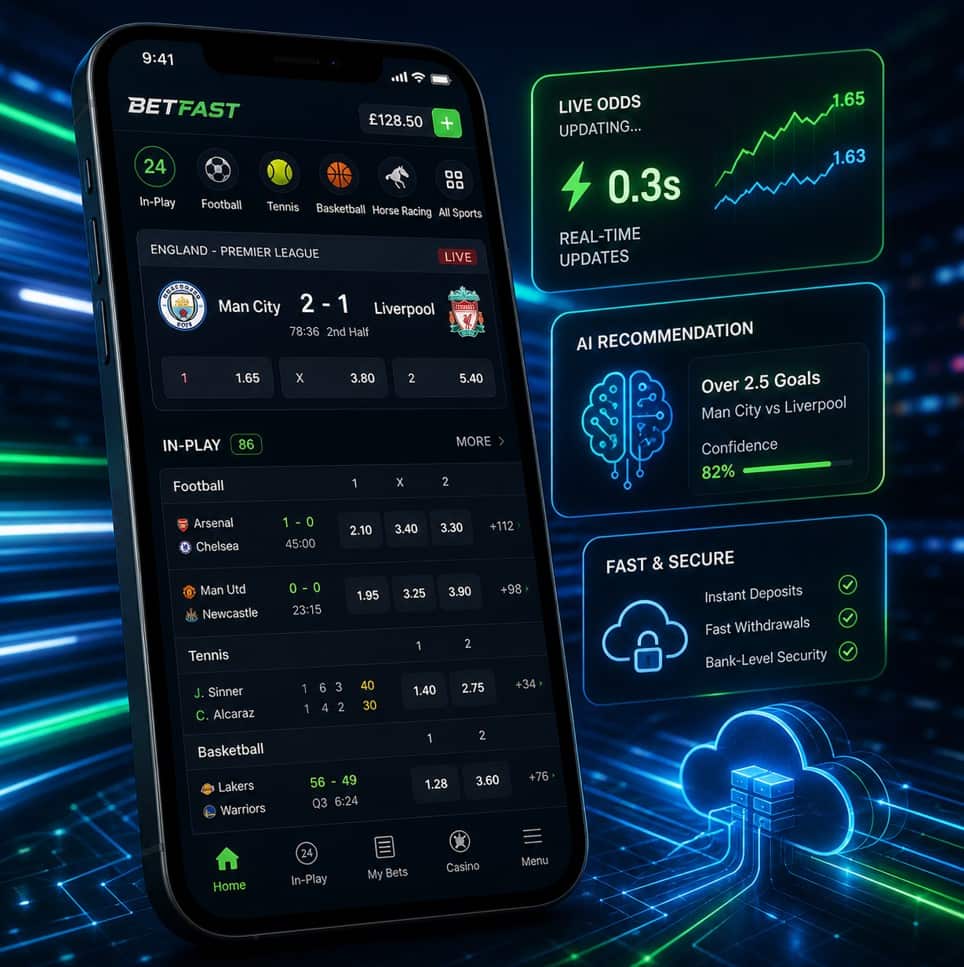




 A player’s fingerprint, face structure, or voice pattern are examples of distinctive physical qualities that biometric payments rely on to validate transactions. Instant biometric authentication is an alternative to passwords and PINs that gamblers can use. Given the impossibility of duplicating biometric data, this not only speeds up transactions but also decreases the likelihood of fraud.
 There is much more to the metaverse’s potential than meets the eye. Immersive gaming experiences will be made possible by cutting-edge VR technology. At blackjack tables, dealers could shuffle cards with realistic emotions, while in a craps game, the dice might clatter authentically. The excitement and thrill of gambling online will undoubtedly be amplified by this degree of involvement.
 A game-changer Wearable data opens up exciting new avenues for bettors, expanding the realm of wagering possibilities. They have the option to place bets on:
  Developers can access a multitude of real-time data, such as player statistics, live scores, game schedules, and more, with the help of sports data APIs.

















 Technology has completely changed how people experience betting. Before, you had to visit physical betting shops or rely on paper tickets to place a wager. Today, everything can be done online with just a few clicks. The growth of digital platforms like official website (source: situs resmi) has made betting more convenient, faster, and more transparent. Modern betting systems are now powered by advanced technologies like artificial intelligence (AI), blockchain, and data analytics. These tools make it easier for users to track odds, manage funds, and enjoy a more secure experience.